Water & Our Bodies
Understanding the most essential molecule for human life
The Body is Mostly Water
The human body is approximately 60–70% water by weight — but this varies significantly by age, sex, and body composition. Infants begin life at nearly 75% water, while elderly adults may be closer to 55%. This single molecule participates in virtually every biological process that keeps us alive.
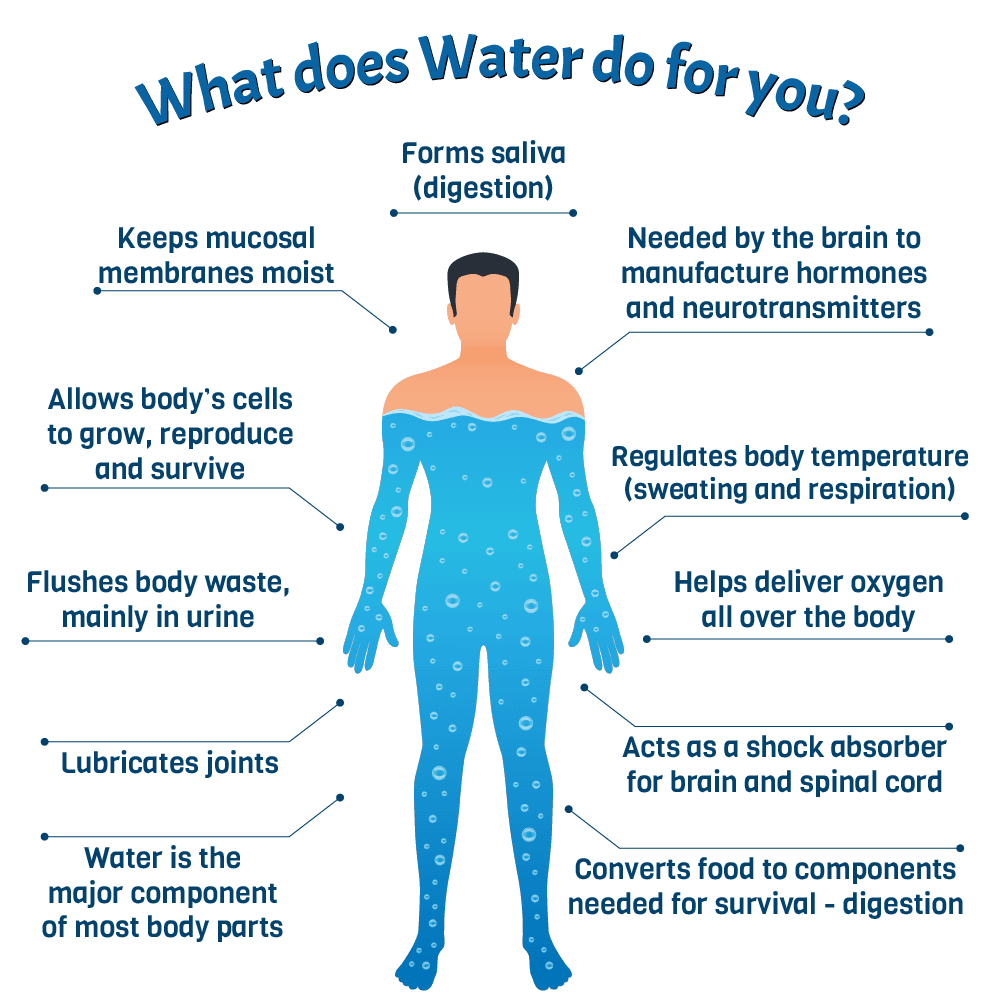
Water is not a passive bystander in our biology. It is the solvent in which all life's chemistry happens, the carrier that moves nutrients and waste, the regulator that keeps our temperature stable, and the lubricant that keeps our joints moving. Without adequate water, every system in the body begins to fail.
UNIQ H₂O believes that not all water is equal. The quality, pH, ORP, and molecular structure of the water you drink each day profoundly impacts how well it performs all of these critical functions inside your body.
Water Content by Organ
Every organ in your body depends heavily on water to function. Even slight dehydration affects performance at the cellular level.
What Water Does in the Body
Nutrient Transport
Water acts as the primary solvent and transport medium in the body, carrying oxygen, glucose, amino acids, vitamins, and minerals to every cell.
Temperature Regulation
Perspiration and respiration — both water-dependent processes — are the body's primary cooling mechanisms, maintaining core temperature at 37°C.
Waste Elimination
The kidneys use water to filter blood and excrete waste as urine. The liver relies on adequate hydration for bile production and toxin neutralization.
Joint Lubrication
Synovial fluid — largely water — cushions and lubricates joints, reducing friction during movement and protecting cartilage from wear.
Chemical Reactions
Virtually every metabolic reaction in the body — from energy production (ATP synthesis) to DNA replication — requires water as a reactant or medium.
Brain Function
Even mild dehydration (1–2% body water loss) has been shown to impair cognitive function, attention, memory, and mood regulation.
How Much Water Does the Body Need?
The commonly cited "8 glasses a day" rule is a simplification. Actual needs depend on body weight, activity level, climate, health status, and diet. A general evidence-based guideline from major health organizations suggests:
- ›Adult men: ~3.7 litres (125 oz) total water per day
- ›Adult women: ~2.7 litres (91 oz) total water per day
- ›Children (4–8 years): ~1.2 litres per day
- ›Teens (9–18): 1.6–2.6 litres depending on age and sex
- ›Pregnant women: ~3.0 litres per day
- ›Breastfeeding women: ~3.8 litres per day
Note: About 20% of daily water intake comes from food. The remainder must come from beverages — ideally clean, ionized alkaline water.
Signs You Need More Water
Effects of Dehydration
Dehydration affects performance and health progressively. Even a small deficit impacts your body and mind.
Thirst, mild impairment of cognitive performance
Reduced exercise capacity, headache, impaired concentration
Muscle cramps, fatigue, irritability, significant cognitive decline
Rapid heart rate, weakness, extreme fatigue
Dizziness, confusion, inability to walk, organ stress
How Alkaline Water is Different
Not all water hydrates equally. UNIQ H₂O alkaline ionized water differs from regular tap or bottled water in three key ways that directly impact how your body uses it.
Micro-Clustered for Better Absorption
Ionization breaks water into smaller molecular clusters (5–6 molecules vs 12–16 in tap water). These smaller clusters pass through cell membranes more easily, meaning faster and more thorough cellular hydration.
Antioxidant Properties
With a negative ORP (Oxidation Reduction Potential), alkaline water actively donates electrons to neutralize free radicals — effectively functioning as a drinkable antioxidant with every glass.
Mineral-Rich & pH Balanced
Ionized water concentrates beneficial alkaline minerals (calcium, magnesium, potassium) in the drinking stream, helping buffer the body's acid load from modern diets and supporting healthy blood pH homeostasis.